


Late payments aren’t just an annoyance, they’re a cash-flow trap that can push small companies over the edge. In France, business groups warn that by 2026, roughlyone in four bankruptciescould be tied to overdue invoices, a stark reminder of how quickly unpaid bills can turn into layoffs, frozen hiring, or missed supplier payments.
The fix isn’t simply “send more reminders.” The companies getting paid faster are treating collections like a measurable, data-driven operation, tracking who pays late, predicting risk, and automating follow-ups so money hits the bank sooner without torching customer relationships.
Why “DSO” is the number that tells you if your cash is stuck
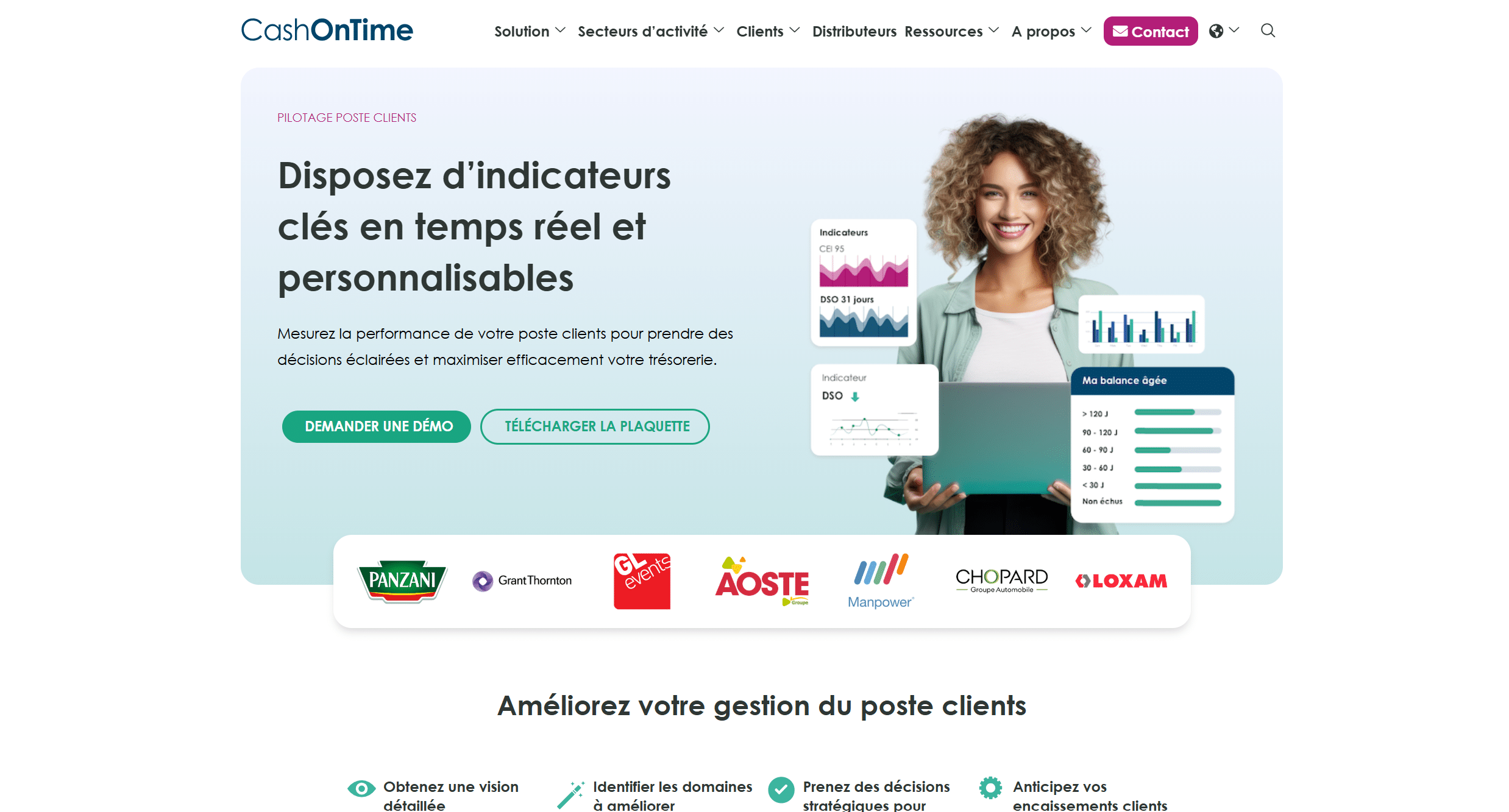
Finance teams track a metric calledDSO, Days Sales Outstanding, which measures how many days, on average, it takes to collect after a sale. Think of it as a speedometer for your accounts receivable: the higher the number, the longer your cash is trapped in limbo.
A rising DSO often signals a deeper problem than a few forgetful customers. It can mean weak invoicing processes, inconsistent follow-up, or customers who are quietly struggling, issues that can choke a small or midsize business that depends on steady cash coming in.
What’s really behind late payments: problems inside your company and outside it
Some of the biggest causes are self-inflicted. Companies often lack automation in billing and collections, rely on messy customer data (wrong contacts, outdated addresses, unclear terms), or have fuzzy internal ownership, no one clearly accountable for getting invoices out and paid.
External forces matter too. Customers under financial stress pay slower. Broader economic shocks can ripple through supply chains. And regulatory shifts, like Europe’s push toward mandatory e-invoicing, can temporarily disrupt payment routines as businesses adjust systems and workflows.
How a data-driven approach helps you spot bad payers before they burn you
A data-driven collections strategy starts with using the information you already have: payment history, invoice disputes, average time-to-pay by customer, and patterns by industry or contract type. With that, companies can segment customers, reliable payers vs. chronic late payers, and tailor terms and follow-up accordingly.
More advanced analytics can flag “at-risk” accounts early, allowing teams to intervene before an invoice goes seriously overdue. The goal is to move from reactive chasing to proactive prevention, tightening the process without turning every customer interaction into a fight.
The tools speeding up payments: automation, e-invoicing, and AI
Digital invoicing platforms can send invoices faster, confirm delivery, and provide real-time visibility into what’s been opened, paid, or ignored. That alone can shave days off the process by eliminating manual steps and reducing “we never got the invoice” excuses.
Automation can also trigger reminders the moment a due date passes, without waiting for someone to notice. Some systems now use AI to optimize outreach, escalating messages based on risk and timing, while keeping customer communications consistent and professional.
Practical moves that get invoices paid faster, without alienating customers
Companies that cut payment delays tend to do a few basics extremely well: they automate follow-ups, keep clean customer records, and make it easy to pay. Automated reminders can be personalized and scheduled, freeing staff to focus on the toughest cases instead of sending routine nudges.
Clear payment terms matter just as much. Setting expectations upfront, due dates, late penalties, and incentives for early payment, reduces misunderstandings. Offering flexible options like installment plans can also speed up collections by giving customers a workable path to pay instead of stalling.
Track the right KPIs, or you’re flying blind
DSO is the headline metric, but it shouldn’t be the only one. Companies also track on-time payment rates, overall collection rates, and the share of receivables that become uncollectible. Together, those numbers show whether changes are actually improving cash flow or just shifting the problem around.
The key is interpretation, not just reporting. If DSO climbs, teams need to diagnose why, internal bottlenecks, a specific customer segment slipping, or a rise in disputed invoices, and adjust terms, outreach, or credit policies accordingly.


- Comment l’expertise d’un partenaire stratégique aide les dirigeants de petites et moyennes entreprises à relever les défis économiques - 19 octobre 2026
- Déployer une solution d’intelligence artificielle en entreprise sans négliger les risques - 15 octobre 2026
- Nouvelle Apple TV 4K : performances renforcées et expérience immersive au centre de l’attention - 14 octobre 2026