

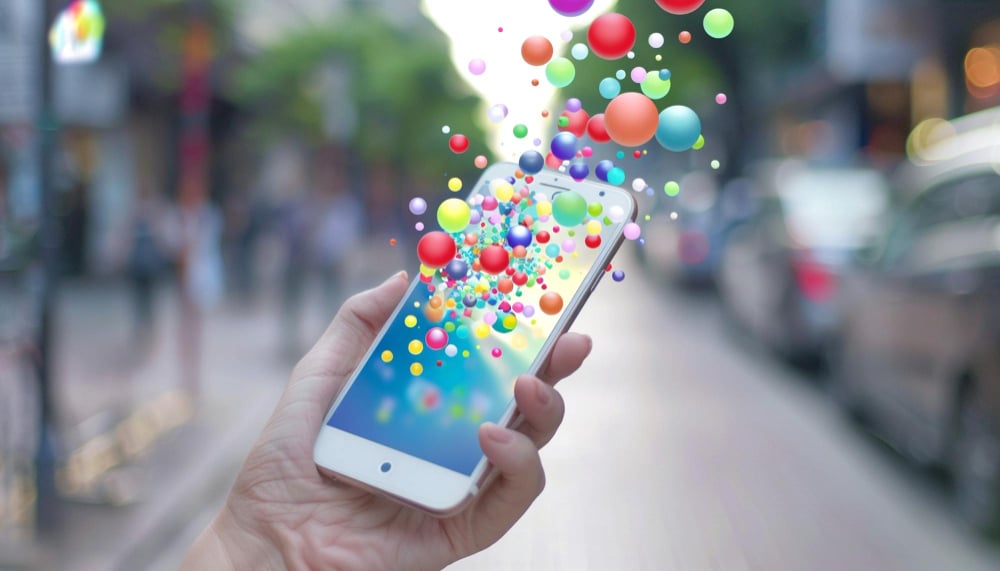
Forget the plain, one-line SMS blast. A newer standard called RCS, short for Rich Communication Services, is rapidly reshaping mobile marketing by turning the default texting app on your phone into something that looks and behaves more like a lightweight shopping app.
Brands are chasing it for one simple reason: performance. Marketers say RCS messages are getting opened at rates above 70%, dwarfing typical email open rates around 15% and even beating traditional SMS, which often tops out near 35%.
RCS isn’t a new app you download. It’s an upgraded messaging protocol backed by mobile carriers and supported on many modern smartphones, especially Android devices, that lets companies send interactive, media-rich messages directly into a customer’s native inbox.
What RCS actually changes for consumers
RCS takes the basic text message and adds the features people expect everywhere else online: high-resolution images, embedded video, product carousels, and tappable buttons that can trigger actions instantly.
Instead of clicking a sketchy-looking link that dumps you into a slow mobile webpage, a customer can do more without leaving the conversation, confirm an appointment, track a shipment, browse items, or add a product to a cart. The pitch from marketers is straightforward: fewer steps, less friction, more sales.
That interactivity also makes the messages feel less like a broadcast and more like a back-and-forth. In practice, brands can tailor what you see based on who you are and how you respond, turning what used to be a one-way notification into something closer to a guided flow.
The numbers driving the hype
RCS boosters argue the channel is succeeding because it combines two advantages: prime placement (it lands in the phone’s default messaging app) and attention-grabbing creative (rich media plus built-in actions).
The result, according to the figures cited in the original report: email averages about a 15% open rate with roughly a 2% click rate; classic SMS averages about a 35% open rate with a 5% click rate; RCS climbs to about a 70% open rate and a 20% click rate.
For marketers who’ve watched email deliverability erode and push notifications get ignored, those numbers are the kind that can force a budget shift fast.
How brands are plugging RCS into “omnichannel” marketing
Marketers aren’t treating RCS as a replacement for everything else. They’re trying to slot it into the broader mix, email, apps, social ads, and customer service, so the message a customer gets feels consistent no matter where it shows up.
The playbook starts with personalization. The article’s warning is blunt: generic “Dear customer” blasts won’t cut it. The brands seeing results are using CRM data and tighter audience segmentation, then building message sequences tied to specific triggers.
Common use cases include:
– Promotional campaigns with a “Buy now” button embedded in the message
– Shipping alerts with real-time tracking and an option to respond in-thread
– Automated follow-ups after an abandoned cart
– In-message customer satisfaction surveys (including NPS-style scoring)
RCS vs. SMS: the quick difference
Traditional SMS is limited to plain text and links. RCS supports multimedia and interactivity, images, video, buttons, and structured layouts, delivered through the phone’s native messaging experience.
That matters because it changes what a “text” can do. Instead of nudging someone to go somewhere else, RCS tries to complete the action right there, inside the conversation.
What to watch next
RCS is being sold as the next big leap in direct-to-consumer messaging, but its real impact will depend on how widely it’s supported across devices and carriers, and whether consumers embrace richer brand messages or simply learn to tune them out the way they did with email blasts and push alerts.
For now, the momentum is clear: marketers are following the engagement, and RCS is giving them a new way to reach customers in the one inbox almost nobody ignores, their text thread.


- Après xAI et SpaceXAI, place à SpaceXSI : Elon Musk redéfinit l’identité de son pôle intelligence artificielle - 5 octobre 2026
- Tesla Optimus : le pari de la robotique industrielle à grande échelle - 5 octobre 2026
- Meilleures offres de Télévision par Internet en France : comment choisir une offre stable, rapide et fiable ? - 5 octobre 2026