


Amazon’s summer sale is knocking Samsung’s SmartTag 2 down to roughly $20 to $26, discounts as steep as 51% off, turning the tiny tracker into a cheap insurance policy for anyone flying, taking trains, or bouncing through busy travel hubs this season.
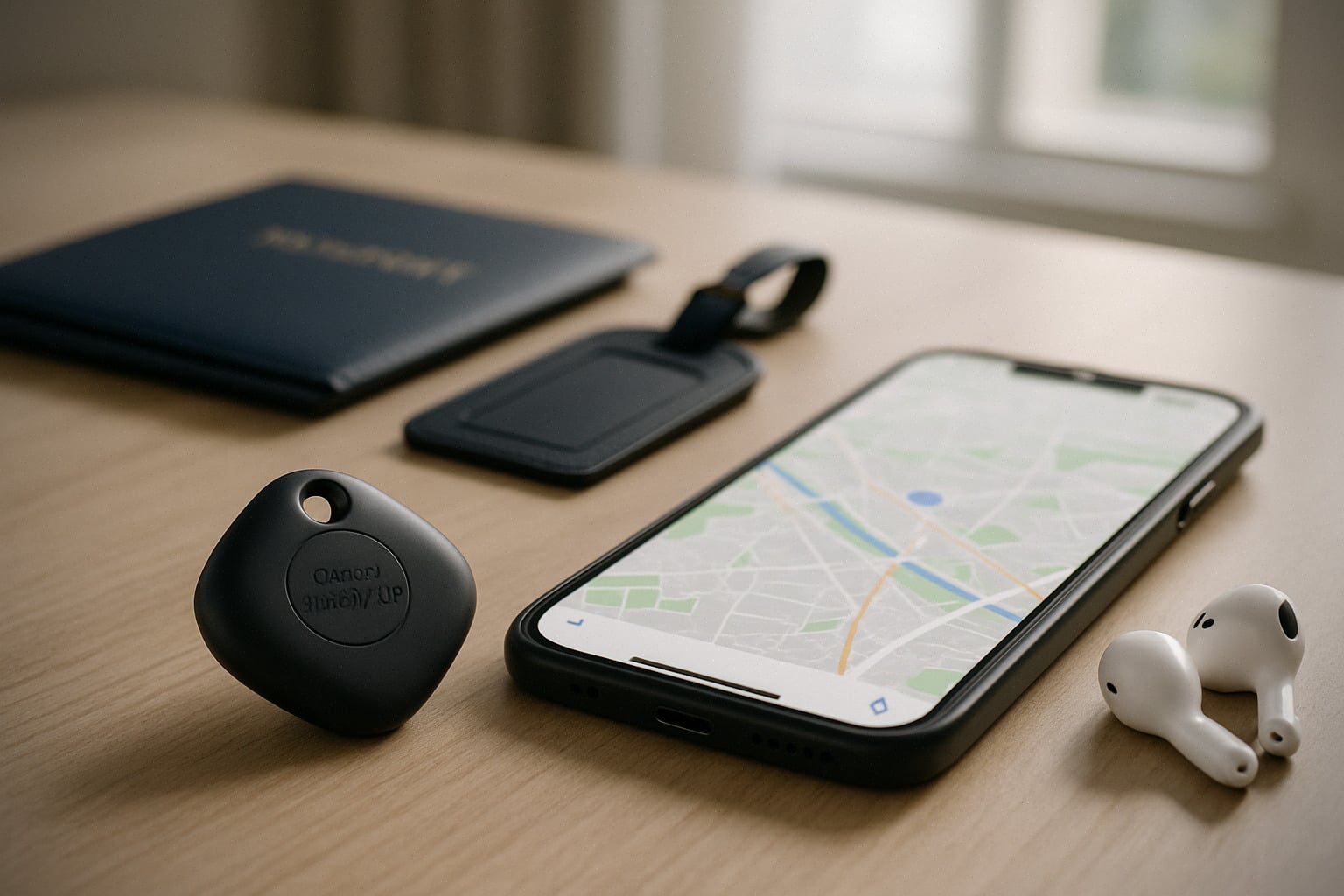
But here’s the catch many travelers miss: the SmartTag 2 isn’t a standalone GPS device. It leans on Samsung’s Galaxy ecosystem to report location, meaning it makes the most sense if you (or someone in your household) uses a Samsung phone.
How cheap is it right now, and why the price keeps changing
During the sale, the SmartTag 2 has been spotted around €17.01 (about$20) on some listings and around €21.72 (about$26) on others, reflecting discounts of roughly 51% and 46% respectively. That swing is typical for big promo events, where price can vary by color, seller, inventory, and even the time you check the page.
If you’re buying, the practical move is to confirm whether the item is sold and shipped by Amazon or a third-party seller, and to check return terms. Sale periods can also trigger quick sellouts on certain versions, pushing remaining listings higher.
The percentage-off headline may look dramatic, but the real-world difference between about $20 and $26 matters if you’re outfitting multiple bags. A family traveling with three checked suitcases and a couple carry-ons can quickly turn “one tracker” into “five trackers.”
SmartTag 2 isn’t GPS, here’s what it actually does
The SmartTag 2 works by tapping into Samsung’s Galaxy network: nearby compatible devices can detect the tag and relay its approximate location back to you through Samsung’s tracking app and services tied to your account. Think of it as crowdsourced location help, not a satellite-connected beacon.
That means performance depends heavily on where you are and how many compatible devices are nearby. In dense areas, major airports, downtowns, big train stations, you’re more likely to get recent updates. In rural areas or isolated facilities, updates can be slower or less precise.
Promotional listings often describe the tag as “more powerful,” which generally points to improvements in detection range and usefulness of alerts. But real-world results still vary: a packed terminal, a concrete parking garage, and a quiet baggage warehouse are very different radio environments.
Why travelers like it: the bag, the carry-on, the keys
The most common travel use is a checked suitcase. If your bag doesn’t show up on the carousel, you still need to file a claim with the airline’s baggage desk. A tracker won’t replace that process, but it can reduce the uncertainty, showing, for example, whether the suitcase is still at the airport or has moved elsewhere on the property.
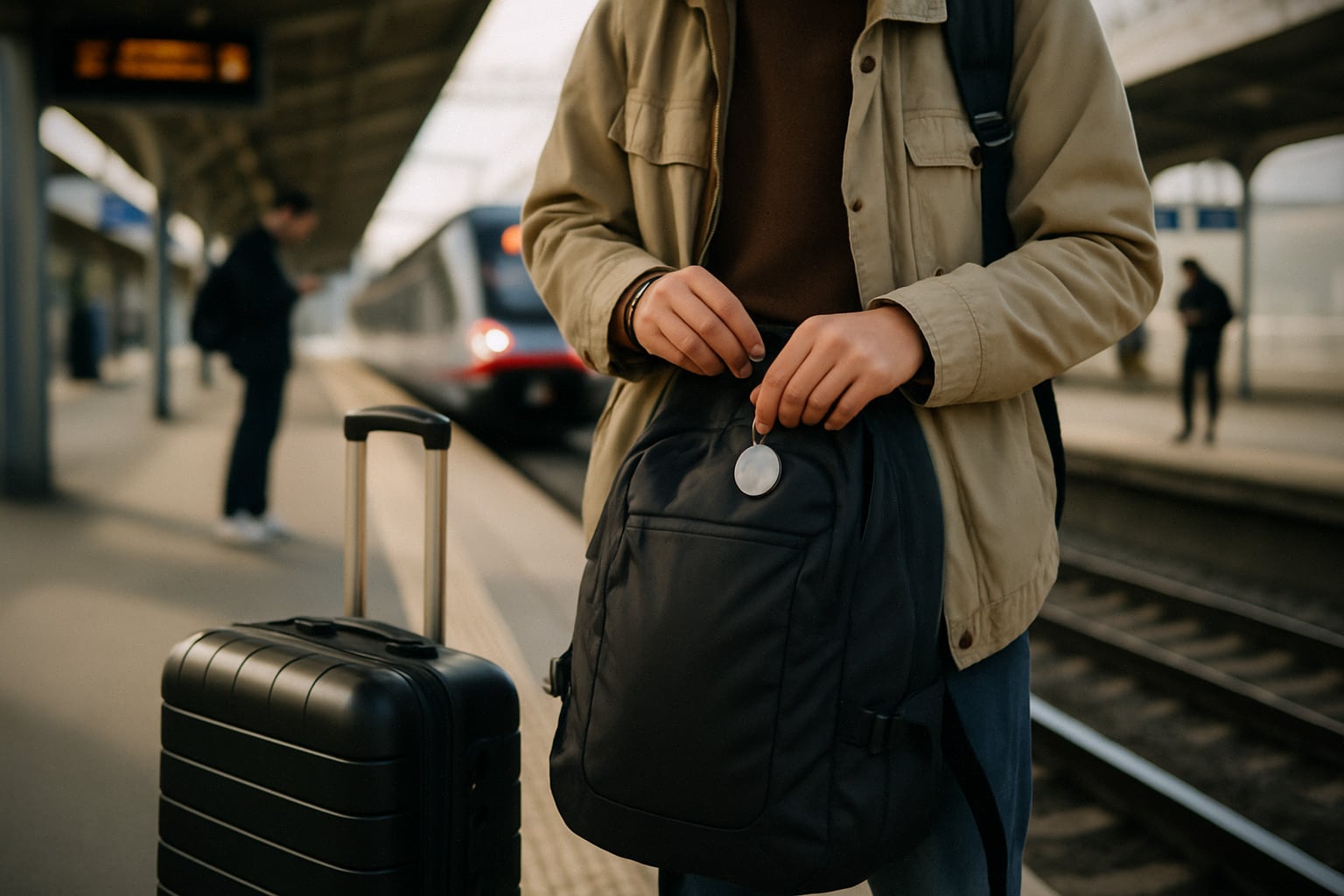
Carry-ons and backpacks are the next big scenario: left in a train car, a rideshare, or a café. A last known location can help you narrow down where to report the loss, especially when lost-and-found systems are fragmented or slow.
Then there’s the everyday win that becomes a travel headache fast: keys and small essentials. Misplacing keys in a rental can mean fees, a locksmith, or hours lost. A tag can also make sense for a camera bag, laptop sleeve, or anything you’re constantly setting down in unfamiliar places.
Durability, battery life, and the fine print buyers forget
Travel is brutal on gear. Between rain, drops, and baggage handling, a tracker needs to survive real-world abuse, not just life on a desk. If the attachment fails or the casing cracks, the tech doesn’t matter.
Battery life is another make-or-break detail. Trackers like this typically use a replaceable battery, which is convenient on the road, but it’s still an ongoing cost and a maintenance task. A sale price looks less impressive if you buy several and don’t plan for battery replacements.
The biggest limitation remains the same: this is not a real-time, always-on GPS tracker with cellular service. It’s a helpful tool for finding and verifying location in many common situations, but it can’t guarantee frequent updates everywhere.
The bottom line for American shoppers
At roughly $20 to $26, the SmartTag 2 is priced low enough that occasional travelers may justify it if it saves even one long wait at an airline counter or one extra trip back to a station’s lost-and-found office.
For frequent travelers, especially Samsung phone users, it starts to look like a standard piece of travel kit, right up there with a luggage lock or a sturdy bag tag: not a magic fix, but a practical edge when the travel system breaks down.
Key Takeaways
- The Samsung SmartTag 2 is showing up on sale on Amazon for around €17 to €22.
- How it works depends on the Galaxy ecosystem; it’s not a standalone GPS tracker.
- Useful for checked luggage, carry-on bags, and keys, especially in densely populated areas.
- Durability and battery life matter as much as the discount—plan ahead for battery replacement.
- Location tracking helps if something is lost, but it doesn’t replace filing an official report.
Sources

- Comment préparer la mise en place d’un ERP sans perturber son activité ? - 5 octobre 2026
- Protection sociale des professions libérales médicales : le guide complet pour bien s’assurer - 23 septembre 2026
- Abonnement IPTV : le bon plan pour votre facture télé - 23 septembre 2026