


Algeria is making a two-front play on artificial intelligence: roll it out across government and key industries at home, while showing up more aggressively in international talks that could shape how AI is regulated worldwide.
The message from Algiers is clear, AI isn’t just a tech experiment anymore. It’s a sovereignty issue. And as the U.N. and other bodies debate global standards on data, transparency, and risk, Algeria wants influence over the rules that could affect everything from public-sector procurement to cross-border data flows.
Officials are framing the strategy as “technological sovereignty”, a push to reduce reliance on foreign cloud platforms, chips, and software stacks, while also positioning the country as an active player in emerging global AI governance, including U.N.-linked discussions in Geneva and membership in a new international group known as WAICO.
Algeria says AI is moving from pilot projects to real-world deployment
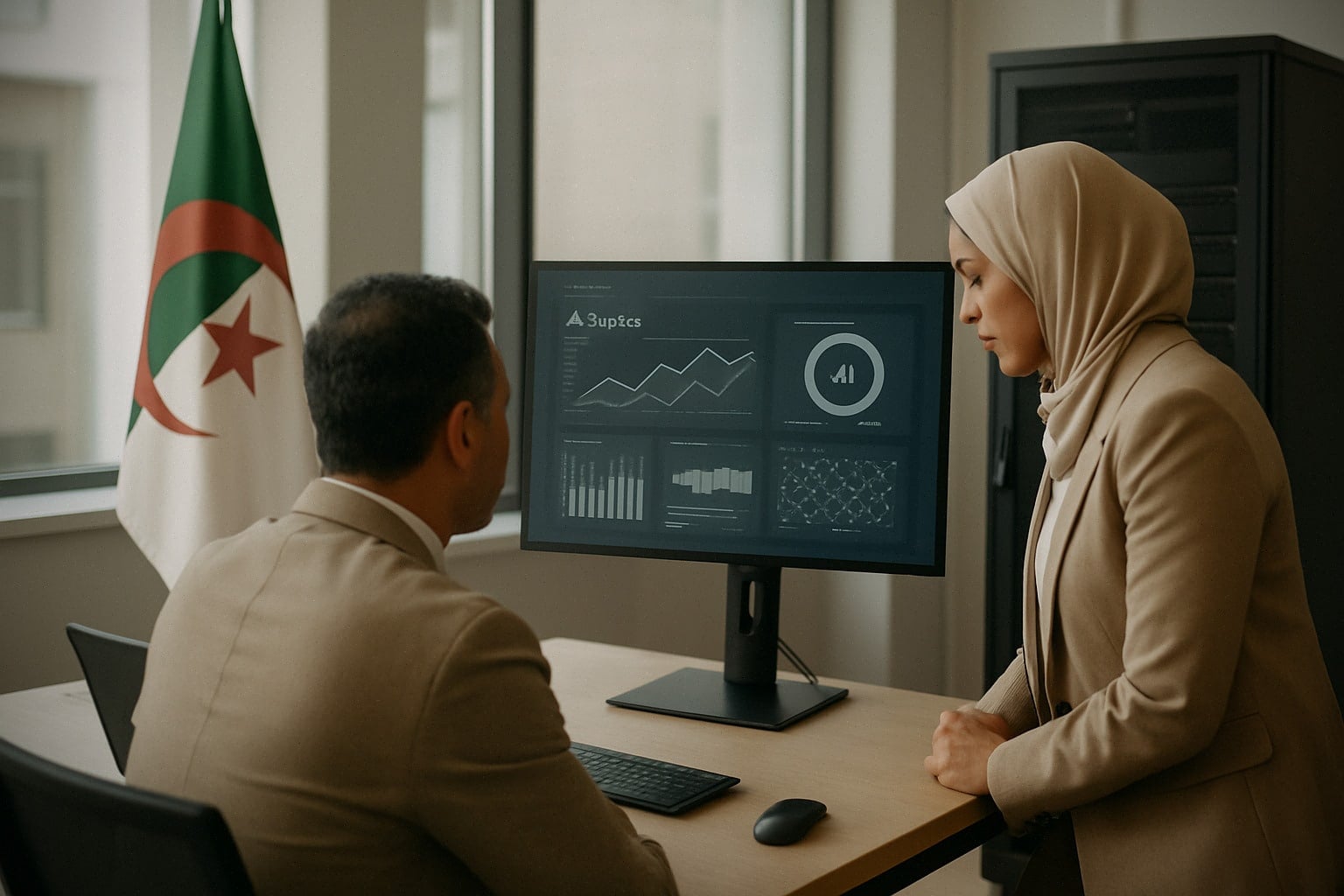
Algerian officials, led publicly by Minister Kamel Baddari, have been pitching a broad plan to weave AI into day-to-day government operations and the “real economy”, health care, education, industry, agriculture, energy, and city management.
They haven’t laid out a single national timeline, but the direction is a phased rollout aimed at speeding up bureaucracy, modernizing public administration, and improving services. In plain terms: fewer delays, more consistent decisions, and better tracking of what government agencies do.
The hard part is what comes before the flashy demos. AI at scale requires clean, accessible data; serious computing infrastructure; systems that can talk to each other; trained staff; and rules the public can trust, especially when algorithms touch sensitive decisions.
In many governments, the first wave of AI tends to look familiar: automating routine tasks, flagging anomalies, supporting decision-making, and running predictive analytics on operational data. Done well, it can cut processing times and reduce errors. Done poorly, or without audits, it can create black-box decision systems that are difficult to challenge.
“Tech sovereignty” is the political through-line
Algeria’s AI messaging repeatedly returns to one theme: control. Not isolation, but fewer blind dependencies, particularly when public data, national security, or critical infrastructure is involved.
In practice, “sovereignty” can mean a lot of things: where data is stored, which vendors are used, whether models can be audited, and whether tools work well in local languages and contexts. It also reflects a growing global trend as countries try to limit how much of their digital infrastructure is outsourced to a handful of major international platforms.
The concern isn’t theoretical. Access to high-end computing hardware, software updates, or model APIs can become a pressure point if geopolitical tensions rise, contracts change, or export restrictions tighten. Algeria’s answer is to build more national capacity and diversify partnerships rather than bet everything on one foreign ecosystem.
Data is another bottleneck. Governments and state-linked companies often sit on huge volumes, records, imaging, sensor feeds, maintenance histories, but the information is frequently scattered across incompatible systems. Any credible AI strategy has to start with data governance: quality standards, clear ownership, access logs, and oversight.
And then there’s security. AI systems can leak information, be manipulated, or generate errors that are hard to detect. Algeria’s sovereignty argument also serves as a rationale for investing in local infrastructure, training, and applied research, so the country can test, audit, and secure systems rather than simply importing them.
Why Geneva matters: Algeria joins U.N. talks on global AI rules
Algeria has also been participating in a U.N.-hosted global dialogue in Geneva focused on AI governance, according to Algerian media reports. For American readers, the significance is straightforward: these forums can influence the standards that eventually shape markets, what governments can buy, what companies must disclose, and how data can move across borders.
The recurring issues on the table are the same ones driving debates in Washington and Silicon Valley: risk management, transparency, accountability when AI causes harm, model security, and the impact on jobs and productivity. There’s also a widening gap between countries that can afford computing power and those that can’t.
For mid-sized and developing economies, showing up is part defense, part opportunity. If global rules are written mainly by the biggest tech powers, smaller players can end up stuck complying with standards they didn’t shape. Algeria is signaling it wants a say, especially on issues like capacity-building, infrastructure financing, and support for under-resourced languages in AI systems.
WAICO: Algeria touts “founding member” status in a new AI governance group
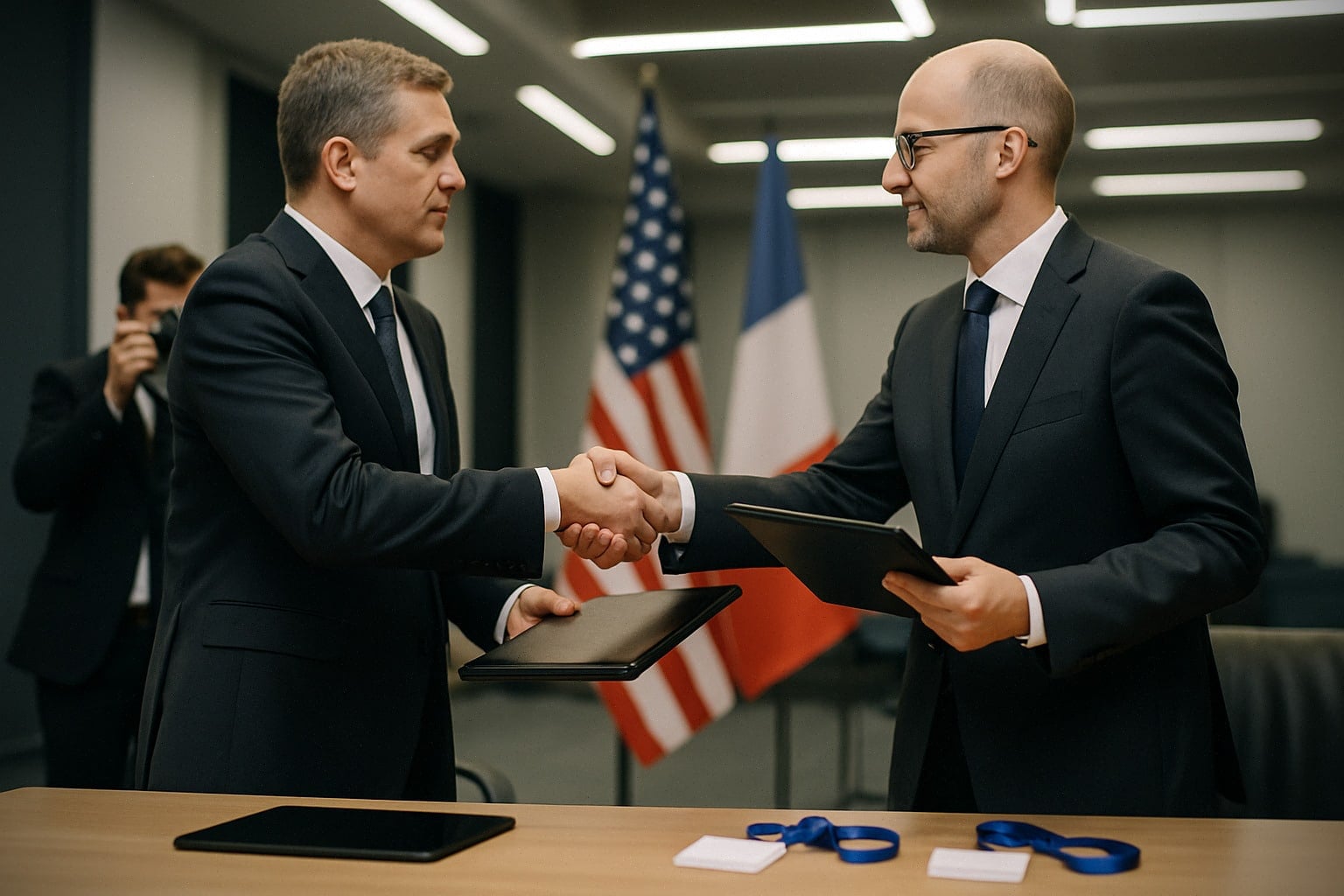
Algeria is also highlighting its role as a founding signatory of WAICO, described in local coverage as a new international organization focused on AI and its governance. The pitch: being there at the start matters, because early members can help set priorities, working methods, and the initial agenda.
The appeal is obvious. AI governance is fragmented, U.N. initiatives, regional regulations, industry standards, and national laws often overlap or conflict. A dedicated organization could, in theory, offer something more practical: shared evaluation methods, best practices, training programs for regulators, and research cooperation.
For Algeria, WAICO could become both a diplomatic platform and a tool to reinforce its domestic agenda, pushing a regulatory approach that emphasizes sovereignty, data protection, and development needs. But the credibility test will be results: technical guidance that governments can actually use, training that builds real capacity, certification or audit frameworks, and potentially funding mechanisms.
In the global AI race, influence isn’t just about who builds the best models. It’s also about who writes the rules. Algeria is betting that if it can modernize at home while shaping standards abroad, it can protect its interests, and expand its leverage, in a world where AI governance is quickly becoming a form of geopolitical power.
Key Takeaways
- In 2026, Algeria is speeding up the integration of AI across several public and productive sectors.
- Technological sovereignty is being emphasized to reduce reliance on foreign solutions.
- Algeria is taking part in UN discussions in Geneva on global AI governance.
- The country is highlighting its role as a founding member of WAICO, an organization dedicated to AI governance.
Sources
- L'Algérie déterminée à intégrer l'intelligence artificielle dans …
- IA et numérisation : L'Algérie franchit une étape supplémentaire
- Pour l'Algérie, l'IA est un enjeu de souveraineté nationale
- Gouvernance mondiale de l'IA : L'Algérie s'impose comme …
- L'Algérie signe l'accord de création de l'Organisation …

- Comment préparer la mise en place d’un ERP sans perturber son activité ? - 5 octobre 2026
- Protection sociale des professions libérales médicales : le guide complet pour bien s’assurer - 23 septembre 2026
- Abonnement IPTV : le bon plan pour votre facture télé - 23 septembre 2026