


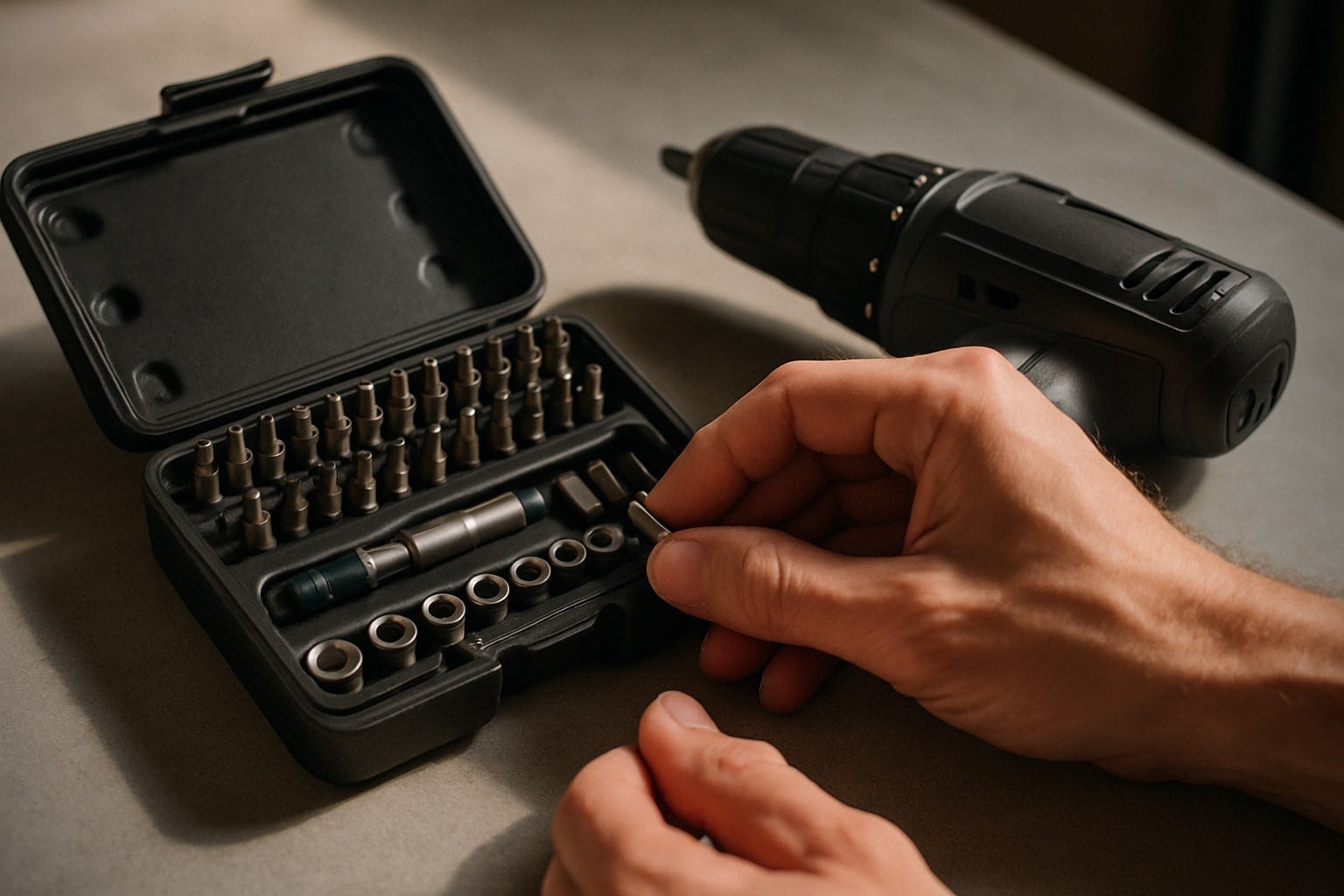
A Makita-branded tool kit listed for under €25, about $27, on Amazon on Tuesday is the kind of deal that stops DIYers mid-scroll. A name-brand kit at a near throwaway price can be a steal. It can also be a fast way to buy duplicates, low-grade bits, or a return headache.
The bigger story isn’t just the discount. It’s how online marketplaces use “doorbuster” pricing to drive traffic, move inventory, and nudge shoppers into adding higher-margin extras, batteries, blades, lubricants, storage cases, before they hit checkout.
If you’re tempted, the smartest move is simple: ignore the hype and verify three concrete things, what’s actually in the box, who’s selling and shipping it, and what the return terms look like. Those details matter more than the percentage-off banner.
Why Amazon loves a sub-$27 “doorbuster” tool deal
A price under $27 on a Makita kit works like a flare. On Amazon, steep markdowns on recognizable brands often function as loss leaders, items priced with razor-thin margins (or close to none) to spike clicks and conversions.
That strategy can put pressure on traditional home-improvement retailers, think Home Depot or Lowe’s, whose costs include floor staff, in-store inventory, and local service desks. A platform can undercut on a targeted item because it doesn’t carry those same per-sale overhead costs.
One catch: these prices can be fleeting. Marketplace pricing can change quickly based on inventory limits or algorithmic adjustments. A kit that’s under $27 in the morning can jump back above that threshold hours later, less a “price hike” than a snap back to the typical going rate.
And “almost sold at a loss,” as one French outlet framed it, is more a signal of aggressive pricing than a promise of value. On a marketplace, the final price can depend on the specific seller, coupon checkboxes, and shipping terms. What matters is the price you lock in at checkout, and saving your order confirmation and invoice in case there’s a dispute.
What’s in the kit matters more than the Makita logo
“Tool kit” can mean wildly different things. Some sets are mostly screwdriver bits. Others include drill bits, sockets, a ratchet, or a magnetic bit holder. The real value comes down to the exact piece list, and the quality of the metal, coatings, and machining tolerances.
At this price point, many kits are designed for light, everyday tasks: assembling furniture, quick household fixes, basic maintenance. For heavier use, cheap bits can wear fast, strip screw heads, or round off hardware, turning a bargain into a time-waster.
Before buying, look for the kit’s exact model number or reference and compare it with listings from other retailers. Sets can look nearly identical in photos but differ in key ways: Torx vs. Phillips vs. Pozidriv, hex sizes, socket ranges, or the total number of pieces. On flash deals, photos can be misleading; the written contents list is what counts.
Also check compatibility with what you already own. A bit set is only useful if it fits your driver and standard bit holder. Drill bits should match the materials you actually drill, wood, metal, multi-material, and work with your chuck. Many shoppers end up with redundant pieces or, worse, missing the sizes they use most.
Even the case matters. Cheap hinges and loose bit slots can turn a “portable kit” into a mess inside your toolbox. A well-organized case saves time, even for occasional DIY.
Third-party sellers, shipping labels, and returns can make, or break, the deal
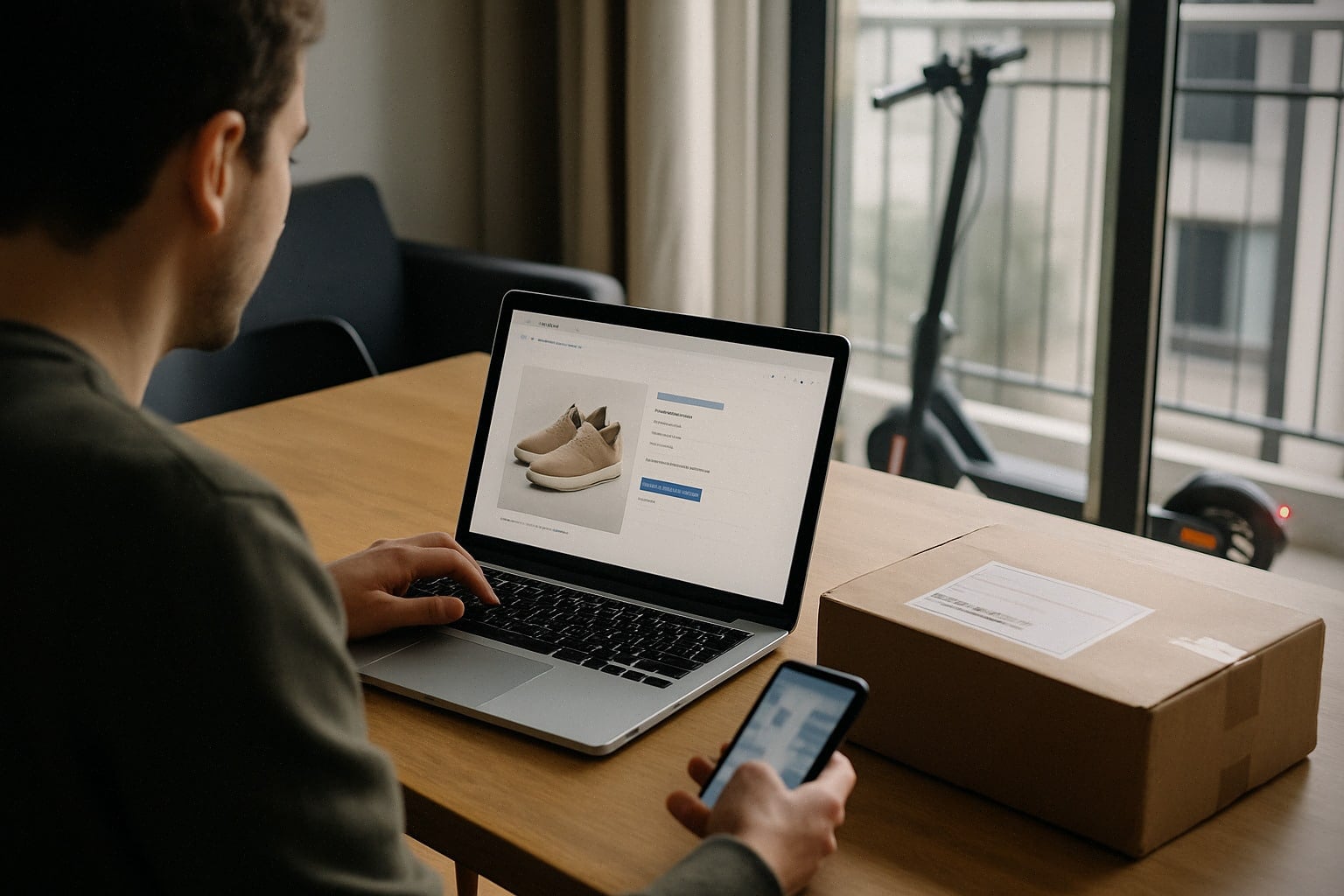
On Amazon, “Sold by” and “Ships from” aren’t fine print, they’re the deal. A product can be sold by a third party but shipped by Amazon, sold and shipped by Amazon, or handled entirely by an outside merchant. That affects delivery speed, how painless returns are, and how disputes get resolved.
Ultra-low prices also raise a predictable question: authenticity. Most purchases go smoothly, but tools and accessories are categories where counterfeits and mixed inventory can show up on large marketplaces. The practical approach is to inspect packaging and markings when it arrives, assess build quality, and keep documentation. If something feels off, start the return promptly and keep communication inside Amazon’s messaging system.
Returns are the other pillar. A kit can look complete online and disappoint in person, missing sizes, sloppy fit, flimsy case. Return policies can vary by seller, including whether you get a prepaid label and when the refund hits. On a $27 purchase, return shipping fees can erase the savings, so check whether it’s eligible for free returns before you buy.
Finally, consider warranty and support. Accessories may carry manufacturer coverage, but the experience often depends on where you bought it. A big-box store might swap a defective item quickly at the counter; an online marketplace typically routes you through a digital process. That isn’t necessarily worse, just less personal, and it can take longer.
What this kind of pricing does to the tool market
A highly visible Makita kit under $27 doesn’t just move one product, it resets expectations. Shoppers start questioning what they should pay for small tool accessories, and competitors respond with their own limited-time promos, bundles, or loyalty offers.
For brands, it’s a double-edged sword. A low price can bring in new customers and boost volume. But it can also drag down perceived value, especially if the discounted kit is a more consumer-grade set that looks like pro gear.
The bigger risk for shoppers is speed. Flash pricing pushes impulse buys, even though tools are the kind of purchase where steel quality and fit matter. A too-cheap set can cost more if bits wear out quickly and damage screws, leading to longer repairs and replacement purchases.
If you’re on the fence, the most reliable move is to compare three prices, Amazon, a major home-improvement retailer, and another online seller, then decide based on the combined equation of price, contents, and return protection. On small kits, the difference often comes down to a few dollars and how much hassle you’re willing to tolerate if something goes wrong.
Key Takeaways
- Amazon lists a Makita set for under €25 on July 21, 2026
- The exact contents, part numbers, and compatibility matter more than the discount percentage
- Seller, shipping, returns, and proof of purchase determine how safe the purchase is
- This loss-leader price puts pressure on home improvement retailers and their promotions
- A very cheap set can end up costing more if the bits wear out quickly
Sources

- Comment préparer la mise en place d’un ERP sans perturber son activité ? - 5 octobre 2026
- Protection sociale des professions libérales médicales : le guide complet pour bien s’assurer - 23 septembre 2026
- Abonnement IPTV : le bon plan pour votre facture télé - 23 septembre 2026