


In warehouses, factories, and job sites, the devices that run the operation don’t get a gentle life. They get dropped, rattled by forklifts, splashed, coated in dust, and pushed through long shifts, often in heat, cold, and chaos.
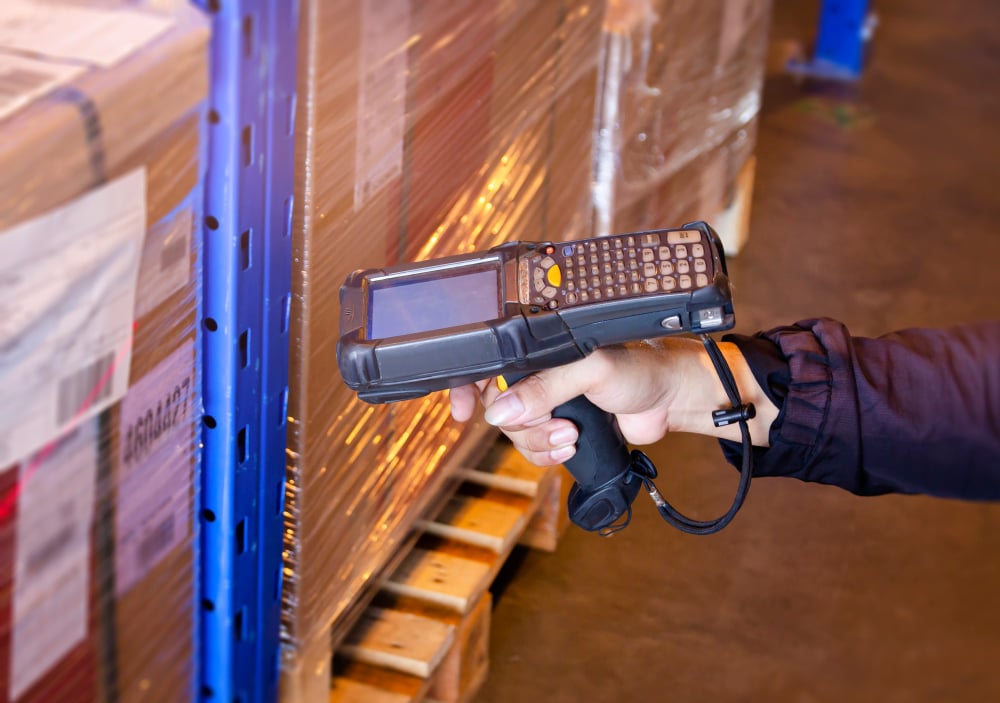
That’s why rugged mobile computing, hardened laptops, tablets, handheld terminals, and barcode scanners built for punishment, is moving from “nice to have” to essential gear in logistics and industrial work. The payoff isn’t just durability. It’s fewer breakdowns, tighter inventory control, stronger data security, and smoother operations from receiving to shipping.
Why rugged tech is taking over industrial logistics
Standard consumer devices tend to fail fast in industrial environments. Rugged hardware is engineered specifically for places like distribution centers, manufacturing lines, and construction sites, where equipment has to keep working even when conditions aren’t ideal.
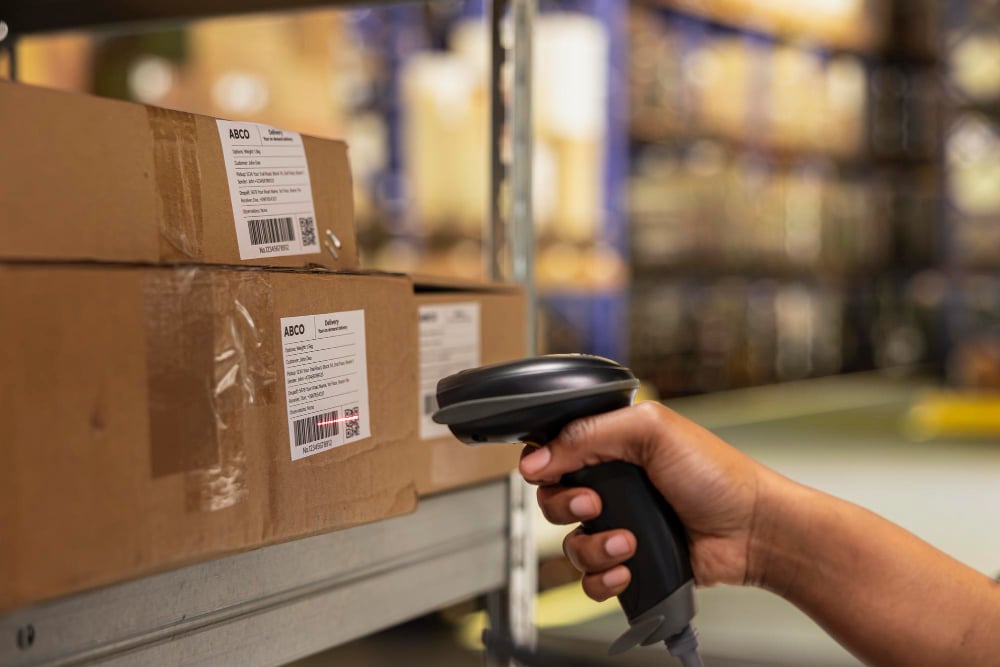
For many operations, handheld barcode scanners and connected mobile terminals are now the backbone of traceability, tracking parts and pallets, updating inventory, and capturing data on the spot instead of back at a desk.
What makes a device “rugged,” exactly?
Rugged mobile computing refers to equipment designed to withstand impacts, repeated handling, dust, moisture, and big temperature swings, common realities in logistics hubs and industrial plants. The goal is simple: keep devices functional when the environment is working against them.
These devices, whether tablets, laptops, or handheld terminals, typically run powerful embedded systems that can handle intensive use while delivering longer battery life. For mobile teams, that combination of performance and reliability can mean the difference between staying on schedule and falling behind.
Real-world gains: fewer failures, better visibility
In industrial and logistics settings, devices routinely face drops, vibration, liquid splashes, and constant scanning and tapping. Rugged units are built to take that beating, which extends their usable life compared with conventional hardware.
That durability can translate into fewer surprise outages, less time lost to troubleshooting, and lower replacement and maintenance costs, especially when a broken device can sideline an entire workflow.
Key benefits companies typically see include:
- Fewer breakdowns and unplanned stoppages
- Lower maintenance and replacement spending over time
- More confidence for workers handling outdoor or high-risk tasks
- Lower mental load for frontline users
- More comfort during repetitive daily use
- Higher satisfaction driven by dependable equipment
Real-time data changes how work gets done
Another major advantage is real-time data capture and management. With modern connectivity, Wi‑Fi, cellular (including 4G), and Bluetooth, rugged devices can update inventory instantly, track goods and components in motion, and interface directly with automated production systems.
That immediacy reduces human error and speeds up decision-making. From receiving to delivery, and even industrial maintenance, teams can verify stock levels, confirm task status, and log updates without bouncing back to a fixed workstation.
Security and efficiency: the two big pressure points
Rugged mobility isn’t only about surviving physical abuse. It’s also about protecting the devices and the sensitive data moving through them, often operationally critical information like inventory records, production details, and internal documentation.
Locking down devices and sensitive data
Industrial and logistics operations are attractive targets for theft, tampering, and unauthorized access. Rugged devices often pair reinforced chassis designs with security-focused software, and in some cases biometric access controls, to limit who can open what.
That matters because a compromised handheld terminal can be more than an IT headache, it can expose proprietary processes, disrupt operations, or create costly errors in the supply chain.
Cutting waste by keeping workers moving
When technicians and forklift operators have the right mobile tools, they can respond faster, avoid unnecessary trips back to a desk, and spot problems earlier. That kind of workflow redesign is where rugged mobility can deliver its biggest returns.
Fewer device failures, less downtime, and better traceability can all push costs down while improving throughput, making rugged hardware less of a “tech upgrade” and more of an operational strategy.
The human factor: less stress, better shifts
There’s also a people-side impact. Reliable devices reduce the daily friction that wears workers down, no worrying that a drop will kill the scanner mid-shift, no scrambling for instructions, no delays waiting for a shared terminal to free up.
Better ergonomics, longer battery life, and proven reliability can improve working conditions in small but meaningful ways, including:
As logistics and manufacturing keep accelerating, rugged mobile computing is increasingly the infrastructure that lets frontline teams keep up, without the tech becoming the weak link.

- Insignes et médailles dans l’armée : quelles différences entre appartenance, reconnaissance et distinction ? - 12 octobre 2026
- Leclerc, Intermarché, Super U : des frigos à 50 °C, des stocks entiers de nourriture à la poubelle après une cyberattaque - 12 octobre 2026
- Canal+ lance une plateforme sportive gratuite et fait face à la colère de ses abonnés historiques - 11 octobre 2026